A Sudden Halt to Operations
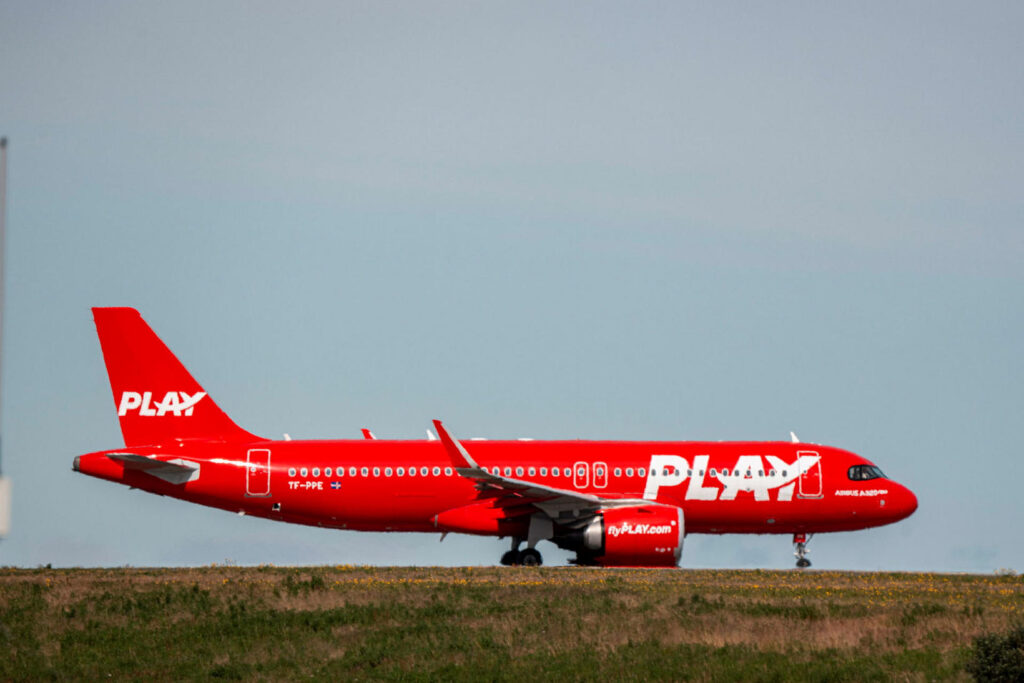
Icelandic low-cost airline Play has officially ceased operations and cancelled all flights with immediate effect. In a statement, the company said that prolonged underperformance, weak ticket sales in recent weeks, and internal disagreements over revised strategy had left no other option but to shut down. The decision leaves thousands of passengers stranded and around 400 employees out of work. The airline’s board confirmed that all efforts to find an alternative outcome had been exhausted, offering an apology to passengers, staff, and stakeholders. Founded in 2019, Play positioned itself as a budget competitor linking Iceland with Europe – and previously North America – before its abrupt collapse.
What This Means for Travelers
Immediate Disruption All scheduled flights are cancelled with immediate effect. Passengers must make alternative travel arrangements through other airlines. Authorities are working to manage the wind-down process and provide guidance for affected passengers and staff.
Advice for Affected Travelers
- Check with your credit card provider or travel insurer – Many policies may cover airline insolvency or cancellations.
- Rebook with other carriers – Explore nearby airports and alternate routes.
- Stay updated – Monitor official announcements for details on refunds, claims, or repatriation assistance.
- Keep all documents – Booking references, receipts, and communications will be needed for claims.
Wider Impact on Iceland’s Tourism and Connectivity
The collapse of Play is more than just an airline bankruptcy – it has wider implications: Reduced competition: Fewer low-cost options will likely push fares higher.
Connectivity gaps: Some secondary routes may be left without service until other carriers step in. Economic effects: Tourism businesses, airports, and related services in Iceland will feel the loss of traffic once carried by Play.
Consumer confidence: Travelers may be cautious about booking with newer or smaller airlines in the near future.
What’s Next? Play’s shutdown will now move into a structured wind-down. Travelers will be looking for answers on refunds and claims, while other airlines may step in to cover some of the lost routes. For now, passengers heading to or from Iceland should remain flexible, explore alternative carriers, and book with trusted providers. The airline’s collapse serves as a stark reminder of how fragile the aviation industry remains – particularly for low-cost carriers competing in a challenging market.
The Rise and Fall of Play Airlines
Play launched in 2019 with bold ambitions to follow in the footsteps of WOW Air, another Icelandic budget airline that had collapsed earlier the same year. Its founders believed there was still strong demand for low-cost transatlantic and European flights connecting via Iceland’s hub at Keflavík International Airport.
The airline initially gained traction by offering competitive fares to destinations across Europe, later expanding into North America with services to cities such as Boston, Washington D.C., and New York. For a while, Play was seen as a welcome disruptor in the market – a young airline with modern branding, a fresh fleet of Airbus A320 and A321 aircraft, and a strong focus on affordability.
However, the challenges of running a low-cost carrier in a volatile aviation market quickly caught up with Play. Fuel prices, fluctuating demand after the pandemic, stiff competition from larger airlines, and growing operational costs all eroded its margins. While the airline attempted to pivot and adjust its network, weak sales during key periods ultimately left it unable to sustain operations.
Lessons From the Collapse
Play’s downfall offers important lessons for both the aviation industry and passengers alike.
- Thin Margins for Low-Cost Carriers
Operating at low fares requires high passenger volumes and strong efficiency. Any dip in bookings or unexpected rise in costs can quickly push an airline into financial distress. - Overdependence on Seasonal Demand
Iceland’s aviation model relies heavily on seasonal tourism. With long winters and peak summers, airlines like Play face uneven cash flow, making it difficult to remain profitable year-round. - Market Overlap
Play targeted many of the same destinations already served by legacy carriers and other budget competitors. Without clear differentiation beyond price, it struggled to secure long-term loyalty. - Strategic Disagreements
Reports of disagreements within the boardroom about the airline’s future direction suggest that internal cohesion is just as important as market conditions in determining survival.
The Human Side of the Crisis
While the focus often falls on stranded passengers, it is also important to recognize the impact on the approximately 400 employees now facing unemployment. From pilots and cabin crew to ground staff and office teams, many will have dedicated themselves to the airline’s mission of making Iceland more accessible to global travelers.
For these employees, the sudden closure represents not just a loss of livelihood but also the collapse of a vision they believed in. Aviation is an industry built on passion as much as logistics, and when a carrier like Play goes under, it leaves an emotional as well as financial mark on those who worked there.
Passengers, meanwhile, are left facing disrupted holidays, unexpected costs, and in many cases, uncertainty about whether they will ever recover their money. Families, business travelers, and students who booked with Play for its affordability now face the stress of rebooking at short notice – often at far higher prices.
Impact on Iceland’s Travel Market
Tourism is one of Iceland’s most important industries, contributing significantly to the national economy. The sudden loss of Play reduces the number of available seats into and out of the country, which could have ripple effects across the sector:
- Accommodation Providers may see lower occupancy if fewer flights result in reduced tourist numbers.
- Tour Operators who relied on Play’s routes to deliver affordable package holidays will need to rework itineraries with other airlines.
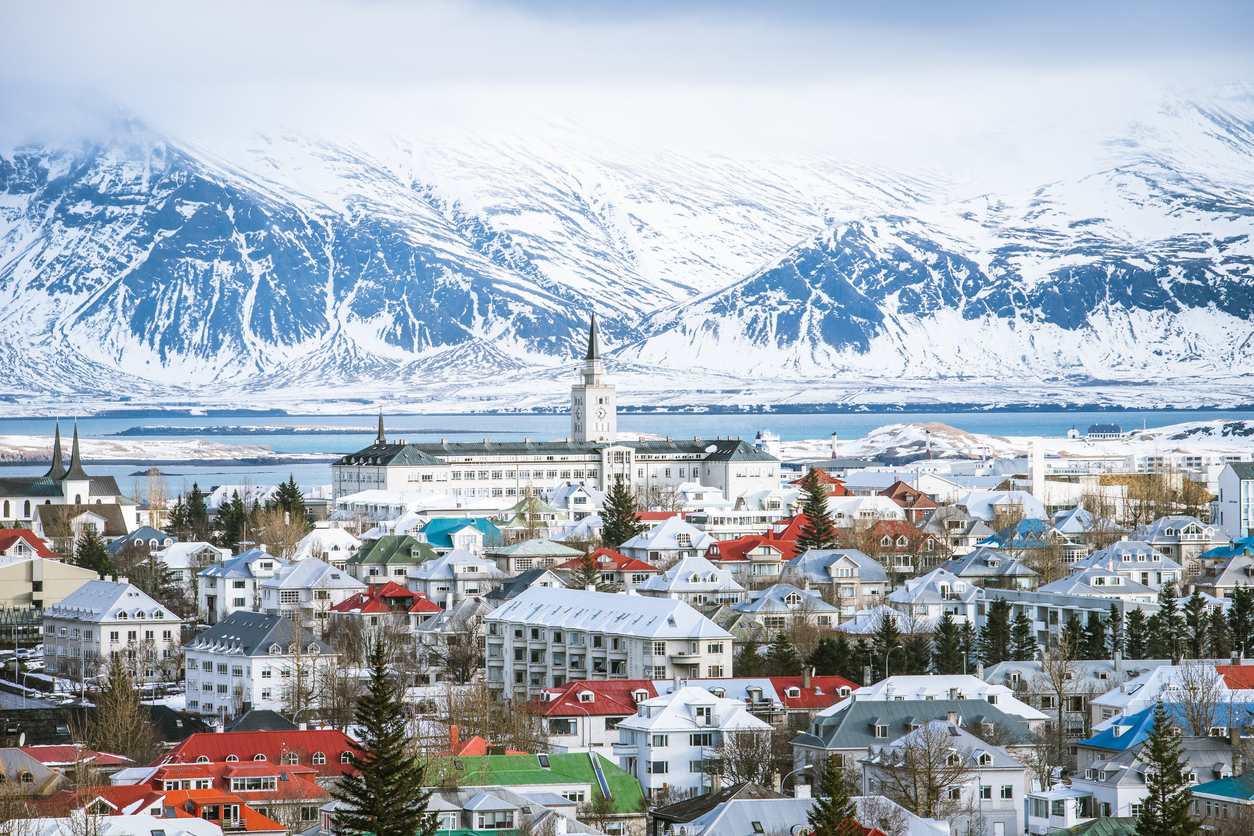
- Local Businesses, particularly in Reykjavik and near major natural attractions, could face a decline in visitor spending.
For Iceland, which has worked hard to market itself as a bucket-list destination, maintaining reliable and affordable connectivity is crucial. The challenge now will be to ensure that other airlines fill the void quickly, preventing a downturn in visitor numbers.
How Other Airlines Might Respond
Whenever an airline collapses, competitors usually step in to capture market share. Larger carriers already serving Iceland, such as Icelandair, may expand capacity on popular routes to meet demand. Low-cost European giants like easyJet, Ryanair, and Wizz Air may also explore opportunities to strengthen their presence in the region.
This could, in time, restore some of the lost connectivity – though fares are unlikely to remain at the ultra-low levels that Play once offered. For travelers, that means flexibility will be more important than ever. Booking well in advance, comparing multiple carriers, and considering alternative airports can all help reduce costs.
A Reminder for Travelers
Play’s collapse highlights the importance of safeguarding travel plans. For those booking flights with newer or smaller airlines, it’s worth remembering:
- Always purchase comprehensive travel insurance that includes airline failure coverage.
- Use a credit card rather than debit card for bookings, as many offer stronger consumer protections.
- When possible, consider package holidays sold through licensed tour operators, which often provide greater financial security than standalone flight bookings.
These precautions may not prevent disruption but can significantly reduce the financial and logistical impact if an airline goes under.
Looking Ahead
The aviation industry has always been highly competitive, with a long history of ambitious new airlines rising quickly and then disappearing just as fast. Play is the latest in a series of Icelandic carriers to struggle with sustainability, following the earlier collapse of WOW Air.
For Iceland, the challenge is clear: to ensure its vital tourism and travel infrastructure remains strong, resilient, and trusted. For travelers, the lesson is equally clear: low fares may be tempting, but stability and reliability often matter more.
As the dust settles, Iceland’s skies will continue to be busy – but Play’s sudden disappearance is a reminder that not every airline journey reaches its intended destination.