Over the past four decades, I have witnessed the travel industry transform itself repeatedly. We have moved from handwritten reservation cards and fax machines to online booking engines, dynamic packaging, mobile apps, and now artificial intelligence. Yet as we move deeper into 2026, one thing has become increasingly clear. The future of travel is not about technology replacing people. It is about technology helping people deliver better travel experiences.
Across the industry, several major trends are emerging which will shape how travellers book, experience, and remember their holidays over the coming years.
AI Will Change Travel Planning, But Not Travel Relationships
Artificial intelligence is now becoming part of the travel planning process. Increasing numbers of travellers are using AI tools to research destinations, build itineraries, compare prices, and find inspiration. Industry research suggests this trend will accelerate significantly over the next few years.
However, I believe there is a major misunderstanding within parts of our industry.
Many assume AI will replace travel professionals. I believe the opposite is true.
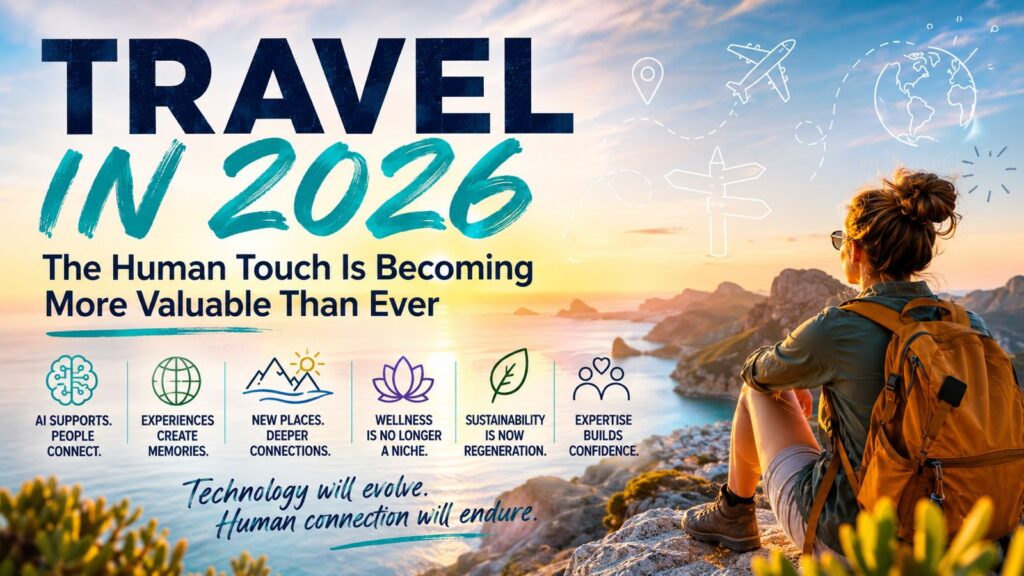
AI is very good at processing information. It is very poor at understanding human emotion, life experience, nuance, and personal dreams. People do not spend thousands of pounds travelling simply to purchase flights and hotel rooms. They travel to celebrate anniversaries, reconnect with family, tick off bucket-list experiences, heal after difficult periods in life, learn about the world, or simply feel alive again. No algorithm truly understands that.
The travel companies that succeed will be those that combine technology with genuine human expertise.
Experiences Continue to Win
The era of simply selling destinations is ending.
Travellers increasingly want stories, experiences, and memories.
They want surf trips rather than beach holidays.
Food journeys rather than city breaks.
Wildlife encounters rather than hotel stays.
Pilgrimage routes rather than coach tours.
Across the market, demand continues to shift towards meaningful experiences that create emotional connections and lasting memories. This trend strongly supports the growth of specialist travel brands and niche operators who understand their communities and passions.
Overtourism Is Driving New Destination Choices
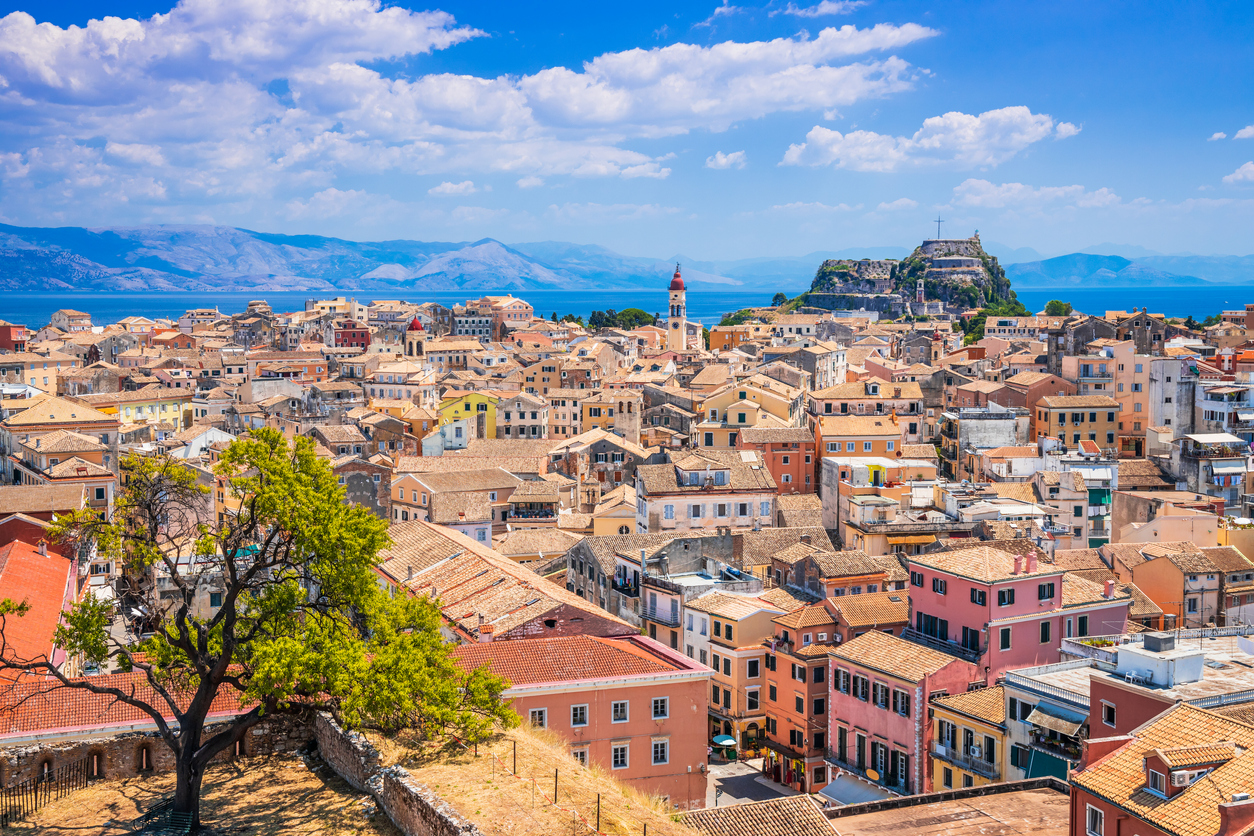
The popularity of destinations such as Barcelona, Venice, Amsterdam, and parts of the Greek islands has created challenges for both residents and visitors. Travellers are increasingly looking beyond the obvious destinations and exploring lesser-known alternatives. Research shows many travellers would actively avoid destinations if they expect excessive crowds.
This creates opportunities for destinations that have previously sat in the shadows.
Secondary cities.
Regional airports.
Smaller coastal towns.
Authentic rural communities.
For travel companies willing to innovate, there is significant opportunity to help customers discover places they may never have considered before.

Wellness Is Becoming Mainstream
Wellness travel is no longer a niche sector. People are increasingly looking for holidays that improve both physical and mental wellbeing. This extends far beyond spas and yoga retreats.
Walking holidays.
Surf retreats.
Nature-based experiences.
Digital detox escapes.
Mindfulness journeys.
The desire to disconnect from daily pressures and reconnect with health and wellbeing continues to grow strongly across multiple generations. The travel industry is uniquely positioned to deliver experiences that genuinely improve people’s quality of life.
Sustainability Is Moving Beyond Marketing
Travellers are becoming more educated. Many now look beyond simple environmental claims and want to understand how tourism benefits local communities and protects destinations for future generations. The conversation is shifting from sustainability towards regeneration. In other words, can tourism actually leave a destination better than it found it?
This is a positive development.
The future belongs to companies that can demonstrate real impact rather than simply produce attractive sustainability statements.
The Independent Traveller Still Wants Support
One of the most interesting contradictions I see today is this:
Travellers increasingly want independence.
But they also want reassurance.
They want flexibility.
But they still value expertise.
They may use AI to research.
But they still appreciate knowledgeable people helping them make important decisions.
This creates a powerful opportunity for modern travel companies.
Not to control the customer journey.
But to guide it.
The winners in 2026 and beyond will be businesses that become trusted advisers rather than simple booking providers. Despite economic uncertainty, geopolitical tensions, and ongoing technological disruption, I remain extremely optimistic about the future of travel.
People will always want to explore.
They will always seek adventure.
They will always want to learn about different cultures and meet new people.
Technology will continue to evolve.
Artificial intelligence will become more capable.
But the fundamental reason people travel has not changed for thousands of years. Travel remains one of the most powerful forces for personal growth, understanding, and human connection. And in an increasingly digital world, genuine human connection may become the most valuable travel product of all.
Visit PURE ONE Travel for truly incredible experiences.